

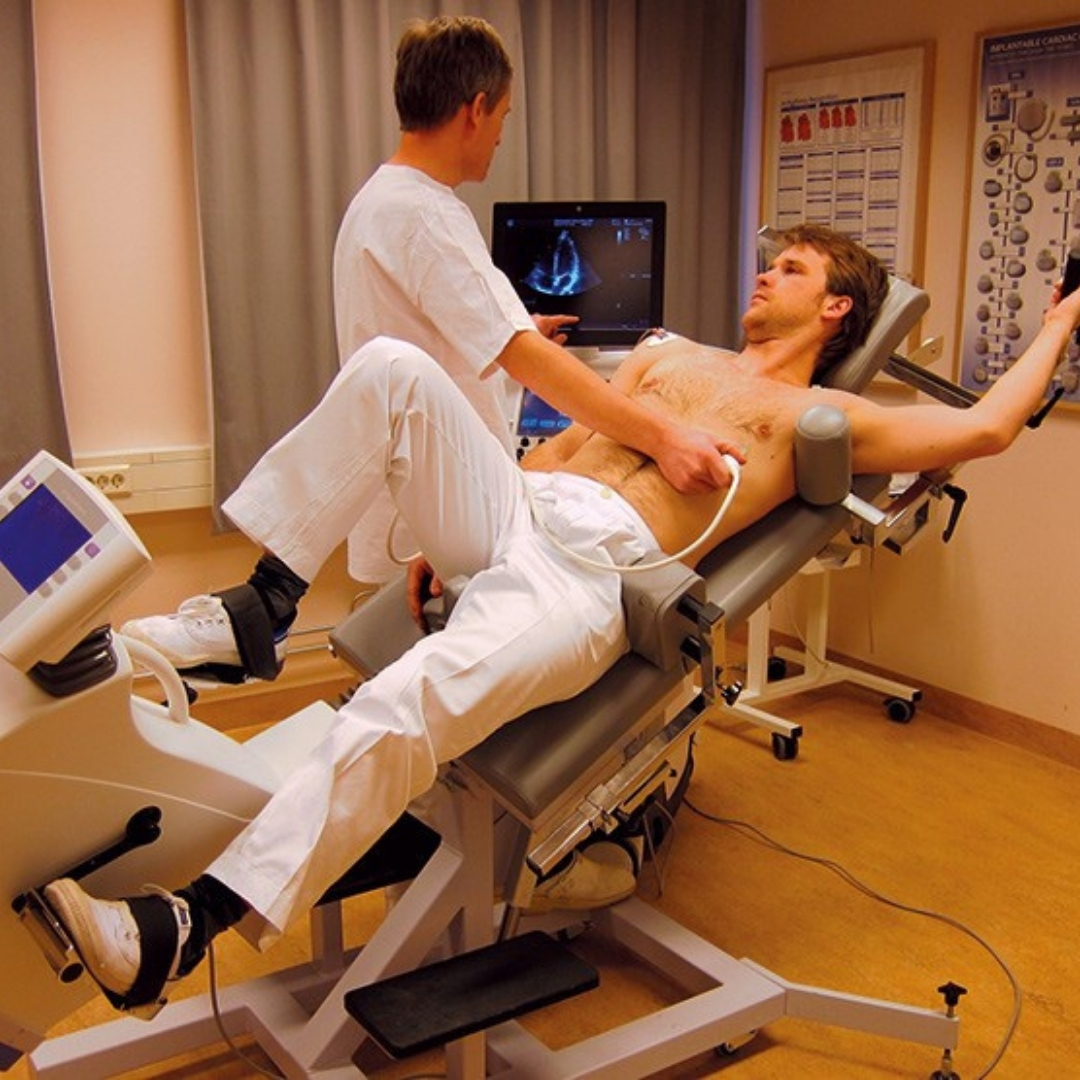
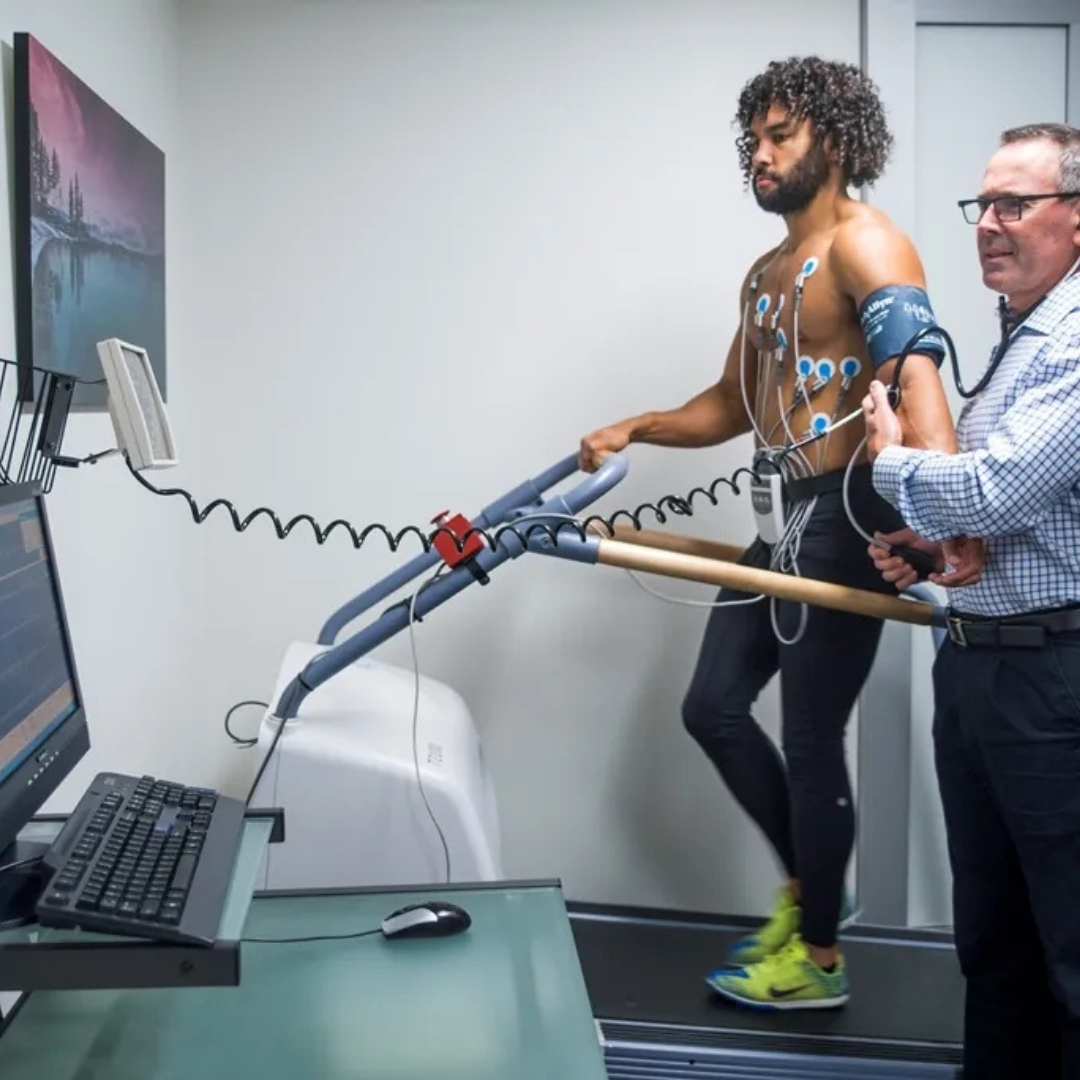
Stress Echocardiography, often called Stress ECHO, is a special type of echocardiogram that evaluates how well your heart works under physical stress or exercise.It combines a standard echocardiogram (ECHO) with a treadmill or medication-induced stress test to help doctors assess blood flow, heart muscle function, and possible blockages in the coronary arteries.
🔍 Purpose of Stress Echocardiography
Detect coronary artery disease (CAD) or reduced blood flow to the heart
Evaluate chest pain, shortness of breath, or unexplained fatigue.
Monitor heart function after a heart attack or cardiac surgery.
Determine the effectiveness of cardiac treatments.
Guide safe exercise programs for patients with heart disease.
🩺 Conclusion
🩺 Stress Echocardiography is an essential and safe diagnostic tool that helps detect hidden heart problems that may not appear at rest. It provides valuable insights into your heart’s performance under stress, enabling early intervention and a healthier heart.
⚙️ How Stress ECHO Works
1. Resting Echocardiogram:
First, an ultrasound (ECHO) is performed while you’re resting to capture baseline images of the heart.
2. Stress Phase:
You’ll then walk or jog on a treadmill (or receive medication like dobutamine if you can’t exercise) to make your heart beat faster.
3. Post-Stress Echocardiogram:
As your heart rate rises, another set of ECHO images is taken immediately after exercise. These images are compared to the resting ones to evaluate changes in heart muscle movement and blood flow.
💡 What Stress ECHO Shows
Areas of the heart that don’t receive enough oxygen-rich blood
Weak or damaged heart muscles.
Blockages in coronary arteries.
The overall pumping strength (ejection fraction) of the heart.
Raghuraj Hospital is a leading multi-speciality and cardiac care hospital located in Mansarovar, Jaipur. Known for its advanced facilities and compassionate healthcare, the hospital is dedicated to providing high-quality medical services under one roof.
C-26, Vande-Mataram Road, Opp. Iskcon Temple Road, Near Hotel Hyatt Regency, Krishna Sagar Colony, Mansarovar, Jaipur, Rajasthan 302020
© Raghuraj Hospital. All Rights Reserved.
Designed by CH DIGITAL SOLUTION COMPANY