

Holter Monitoring is a continuous, portable heart test that records your heart’s electrical activity (ECG) over 24 to 48 hours or sometimes longer. It helps doctors understand how your heart functions during daily activities, sleep, stress, or exercise — something a regular ECG cannot always capture.
A Holter Monitor is a small, wearable device connected to electrodes placed on your chest. It records your heart’s rhythm throughout the day and night while you perform your normal routine.
🔍 Why Holter Monitoring is Done
Holter monitoring is prescribed when:
You have irregular heartbeats (arrhythmias).
You experience palpitations, dizziness, chest pain, or fainting spells
Your doctor wants to check the effectiveness of heart medications.
After a heart attack or pacemaker implantation, to monitor performance.
Routine ECG results are normal but symptoms persist.
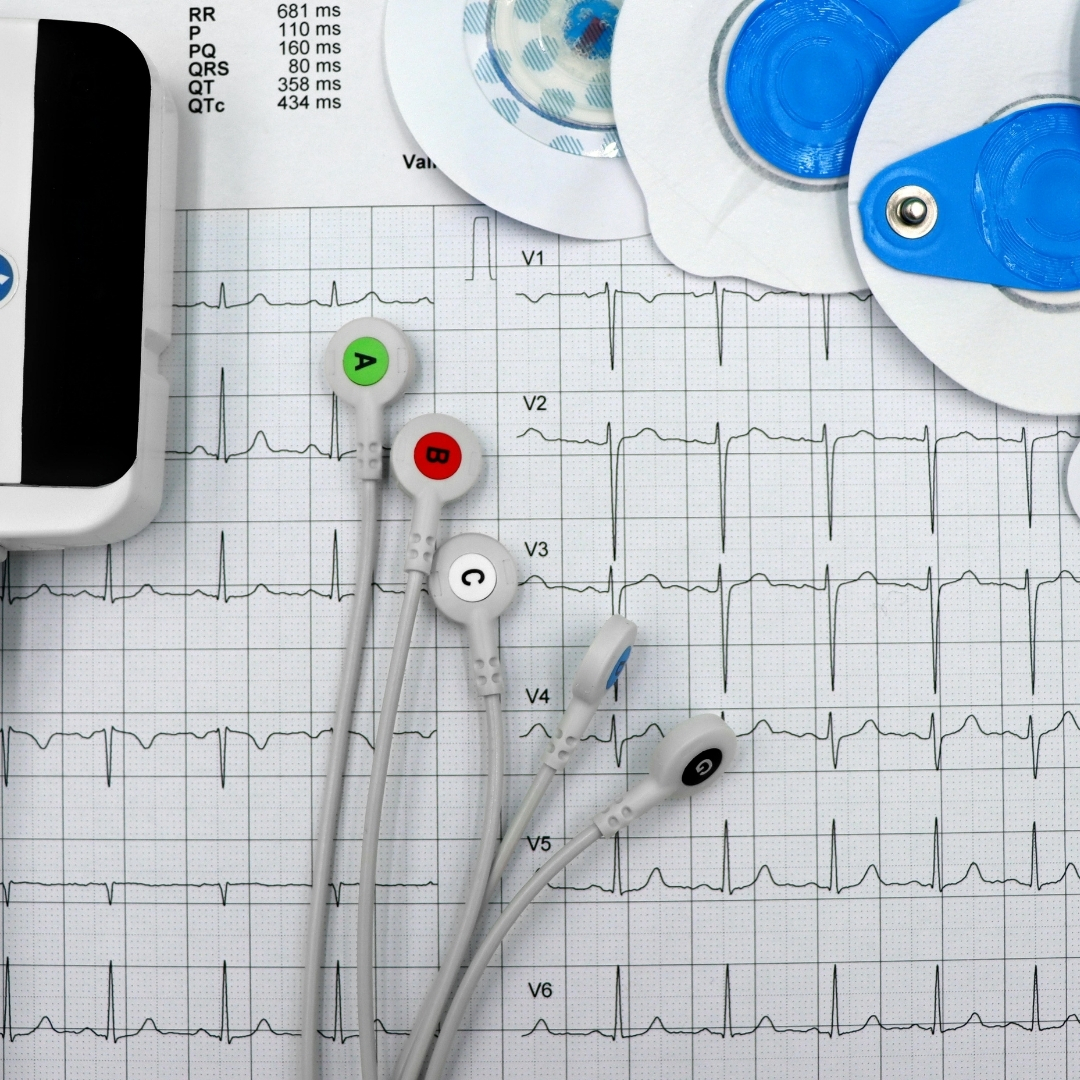
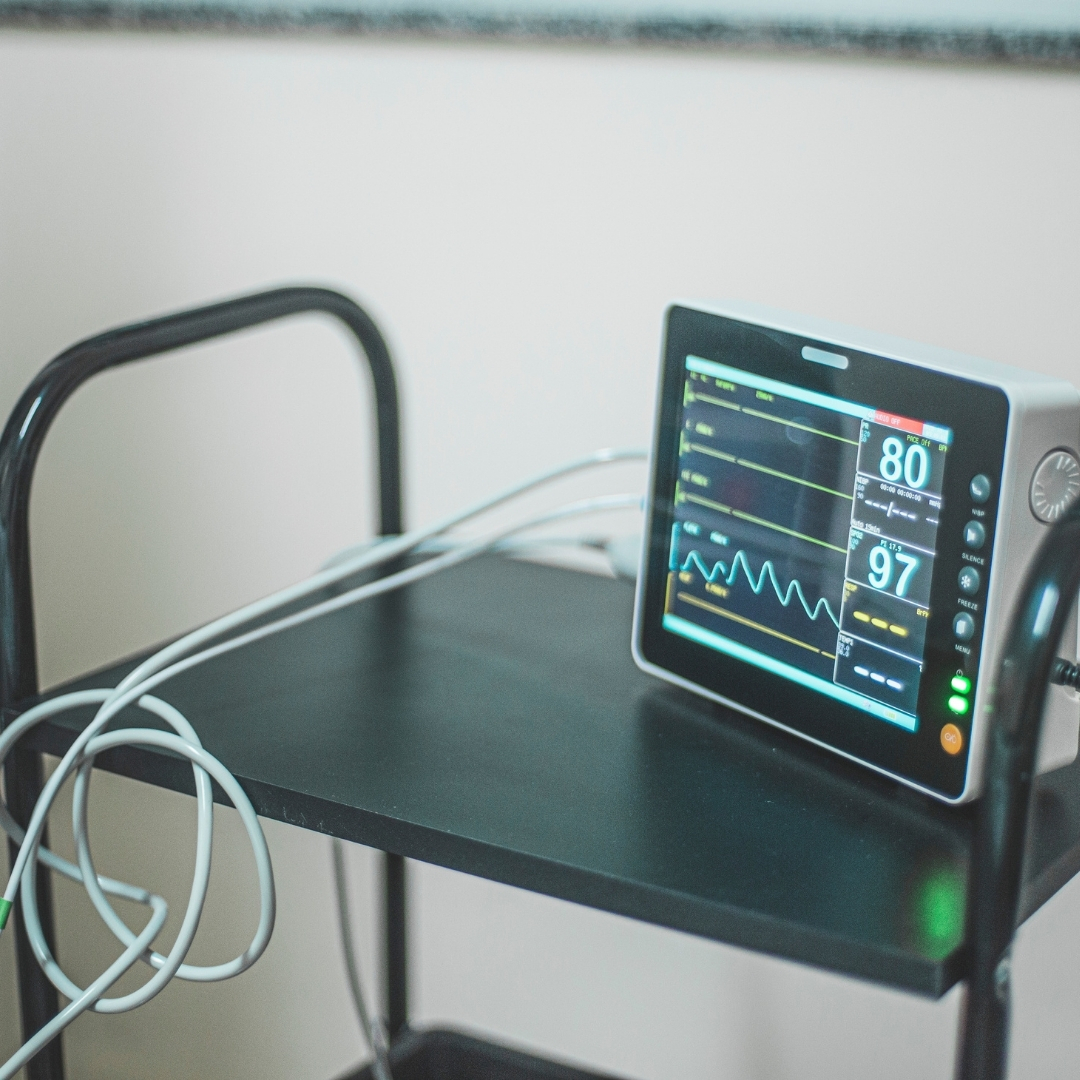
Small electrodes are attached to your chest.
The electrodes are connected by wires to a tiny recorder you wear around your waist or neck.
The device continuously records your heart’s electrical activity for 24–48 hours (or longer in some cases).
After the monitoring period, the data is analyzed by a cardiologist to detect abnormal rhythms or silent heart issues.
⚕️ Preparation Tips
Wear loose, comfortable clothing.
Avoid bathing or swimming during the test (as the device should not get wet).
Continue yourKeep a diary of symptoms and activities for accurate analysisn
❤️ Conclusion
Holter Monitoring is a safe and effective way to evaluate heart rhythm disturbances that may not appear during a short ECG. It gives doctors a complete picture of your heart’s electrical activity and plays a key role in managing cardiac arrhythmias and maintaining heart health.
Raghuraj Hospital is a leading multi-speciality and cardiac care hospital located in Mansarovar, Jaipur. Known for its advanced facilities and compassionate healthcare, the hospital is dedicated to providing high-quality medical services under one roof.
C-26, Vande-Mataram Road, Opp. Iskcon Temple Road, Near Hotel Hyatt Regency, Krishna Sagar Colony, Mansarovar, Jaipur, Rajasthan 302020
© Raghuraj Hospital. All Rights Reserved.
Designed by CH DIGITAL SOLUTION COMPANY