

Coronary Angiography is a diagnostic procedure that helps doctors visualize the blood vessels of the heart (coronary arteries). It uses a special contrast dye and X-ray imaging to detect any blockages or narrowing in the arteries that supply blood to the heart.
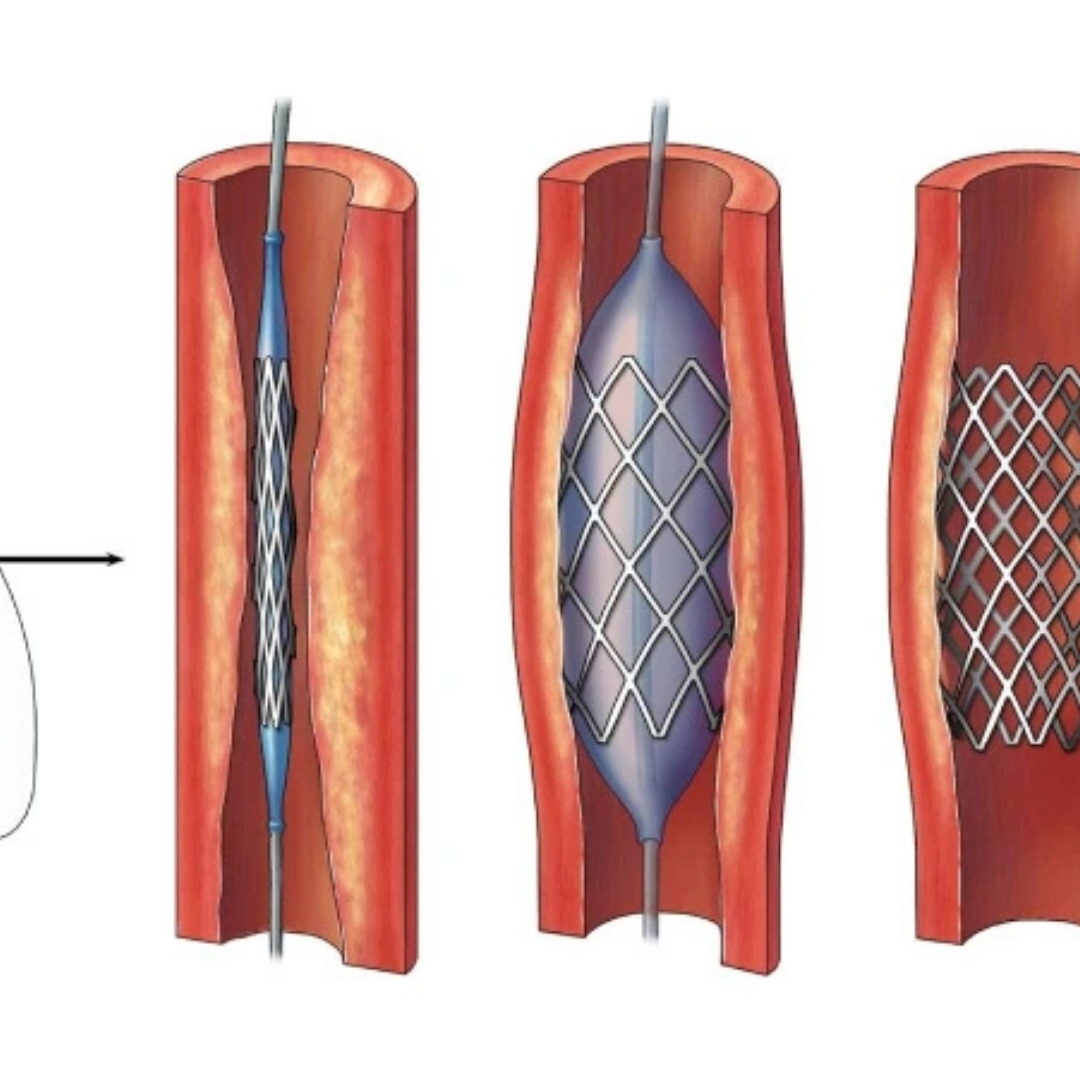
When necessary, this procedure can be followed by a Coronary Intervention (Angioplasty or Stent Placement) — a treatment to open blocked arteries and restore normal blood flow to the heart muscle.
🔍 Purpose of Coronary Angiography
Doctors recommend angiography when you have:
-Chest pain (angina) or shortness of breath
-Abnormal ECG or stress test results
-A history of heart attack or heart disease
-Risk factors such as diabetes, high blood pressure, or high cholesterol
-To evaluate the condition of coronary arteries before heart surgery

⚙️ How the Procedure is Performed
1.Preparation:
You will be asked not to eat or drink for a few hours before the procedure. An IV line is inserted, and mild sedation may be given.
2.Catheter Insertion:
A thin tube called a catheter is inserted through an artery in your groin (femoral artery) or wrist (radial artery).
3.Dye Injection:
A contrast dye is injected through the catheter into the coronary arteries.
4.X-ray Imaging:
A special X-ray machine (fluoroscopy) captures real-time images showing the flow of blood through the coronary arteries.
5.Intervention (if needed):
If a blockage is found, the cardiologist may immediately perform an angioplasty — using a small balloon to open the blocked area — and may place a stent to keep the artery open.
Raghuraj Hospital is a leading multi-speciality and cardiac care hospital located in Mansarovar, Jaipur. Known for its advanced facilities and compassionate healthcare, the hospital is dedicated to providing high-quality medical services under one roof.
C-26, Vande-Mataram Road, Opp. Iskcon Temple Road, Near Hotel Hyatt Regency, Krishna Sagar Colony, Mansarovar, Jaipur, Rajasthan 302020
© Raghuraj Hospital. All Rights Reserved.
Designed by CH DIGITAL SOLUTION COMPANY