

Dobutamine Stress Echocardiography (DSE) is a specialized heart test used to evaluate how well your heart works when it is under stress.
Unlike a traditional Stress Echocardiogram, where exercise is used to make the heart beat faster, DSE uses a medication called Dobutamine to stimulate the heart — making it beat as if you were exercising.
This test helps doctors identify coronary artery disease (CAD), evaluate heart function, and monitor the effectiveness of cardiac treatment in patients who are unable to perform physical exercise.
🔍 Purpose of DSE
Dobutamine Stress Echocardiography is done to:
Detect blockages or narrowing in the coronary arteries.
Evaluate heart muscle function and blood flow.s
Assess the severity of valve disease.
Monitor patients after a heart attack or bypass surgery..
Determine the viability of heart muscle before cardiac surgery.
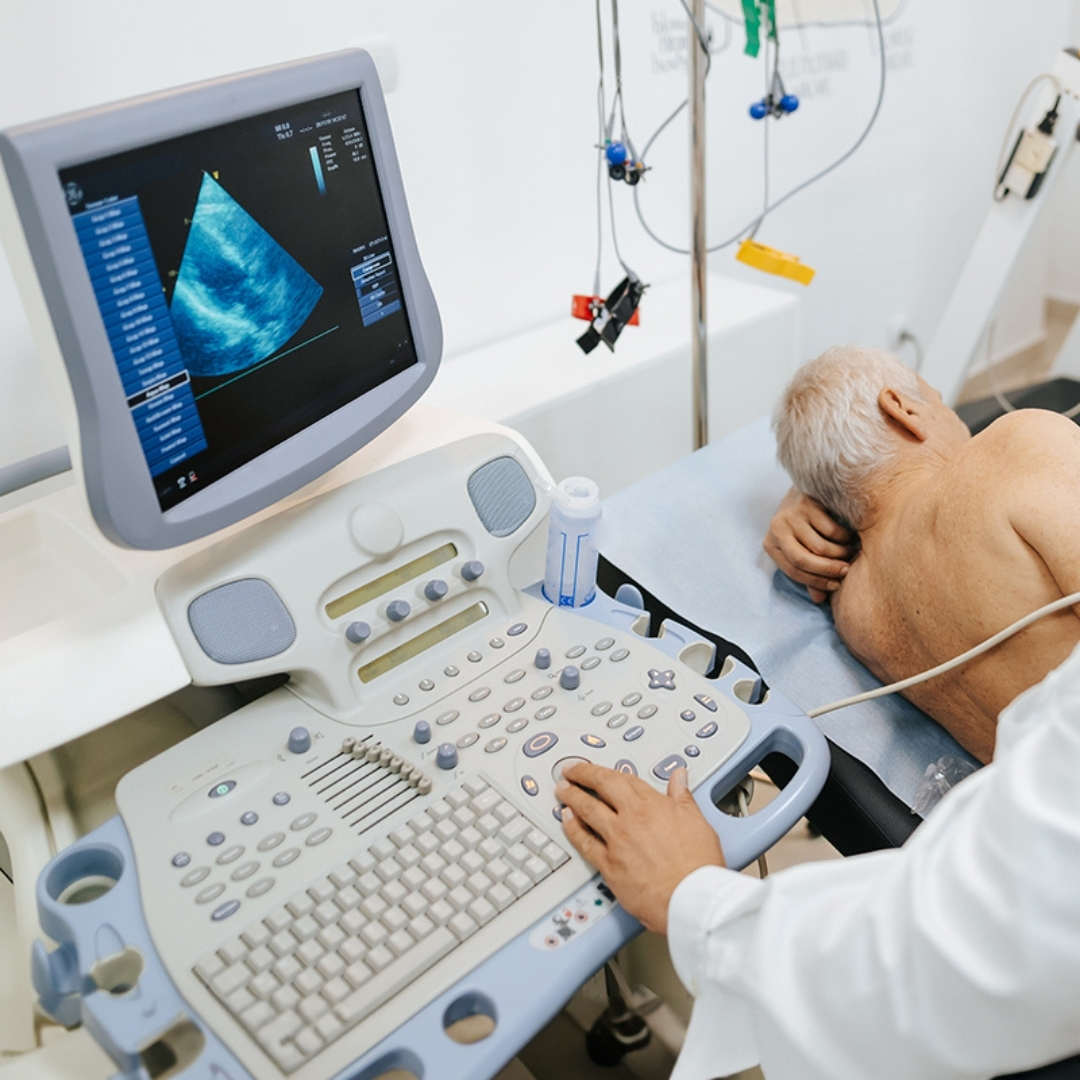
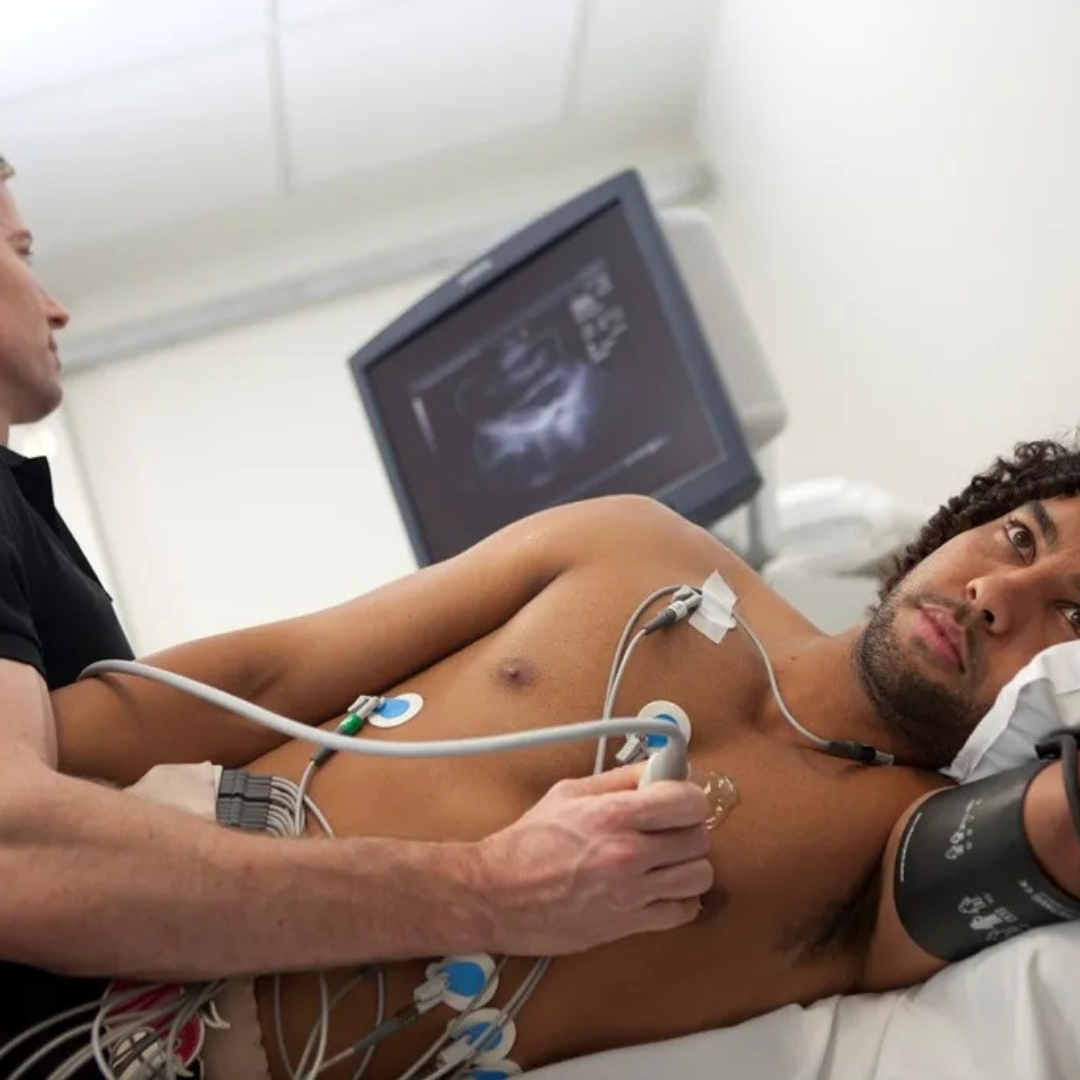
⚙️ How the Test is Performed
1.Preparation:
Electrodes are placed on your chest to monitor your heartbeat, and a small IV line is inserted into your arm.
2.Resting ECHO:
Initial ultrasound images of your heart are taken at rest.
3.Dobutamine Infusion:
The medication Dobutamine is slowly administered through the IV. It increases your heart rate and mimics the effects of exercise.
4.Monitoring Phase:
As your heart rate rises, echocardiogram images are continuously taken to observe how your heart muscles and valves function under stress.
5.Recovery:
Once the medication is stopped, your heart rate gradually returns to normal, and you are monitored until stable.
Raghuraj Hospital is a leading multi-speciality and cardiac care hospital located in Mansarovar, Jaipur. Known for its advanced facilities and compassionate healthcare, the hospital is dedicated to providing high-quality medical services under one roof.
C-26, Vande-Mataram Road, Opp. Iskcon Temple Road, Near Hotel Hyatt Regency, Krishna Sagar Colony, Mansarovar, Jaipur, Rajasthan 302020
© Raghuraj Hospital. All Rights Reserved.
Designed by CH DIGITAL SOLUTION COMPANY