

An Electrocardiogram (ECG or EKG) is a fundamental and painless test used to record the electrical activity of the heart. Every time your heart beats, electrical impulses travel through the heart muscle, causing it to contract and pump blood. The ECG captures these signals and displays them as waveforms that help doctors understand how your heart is functioning.
🔹 Purpose of an ECG
An ECG is one of the quickest and simplest tests to check the heart’s health. It helps:
Detect irregular heart rhythms (arrhythmias)
Identify blocked or narrowed arteries (coronary artery disease)
Detect previous or ongoing heart attacks
Monitor the effectiveness of cardiac treatments or pacemakers
Evaluate the heart’s overall health and condition
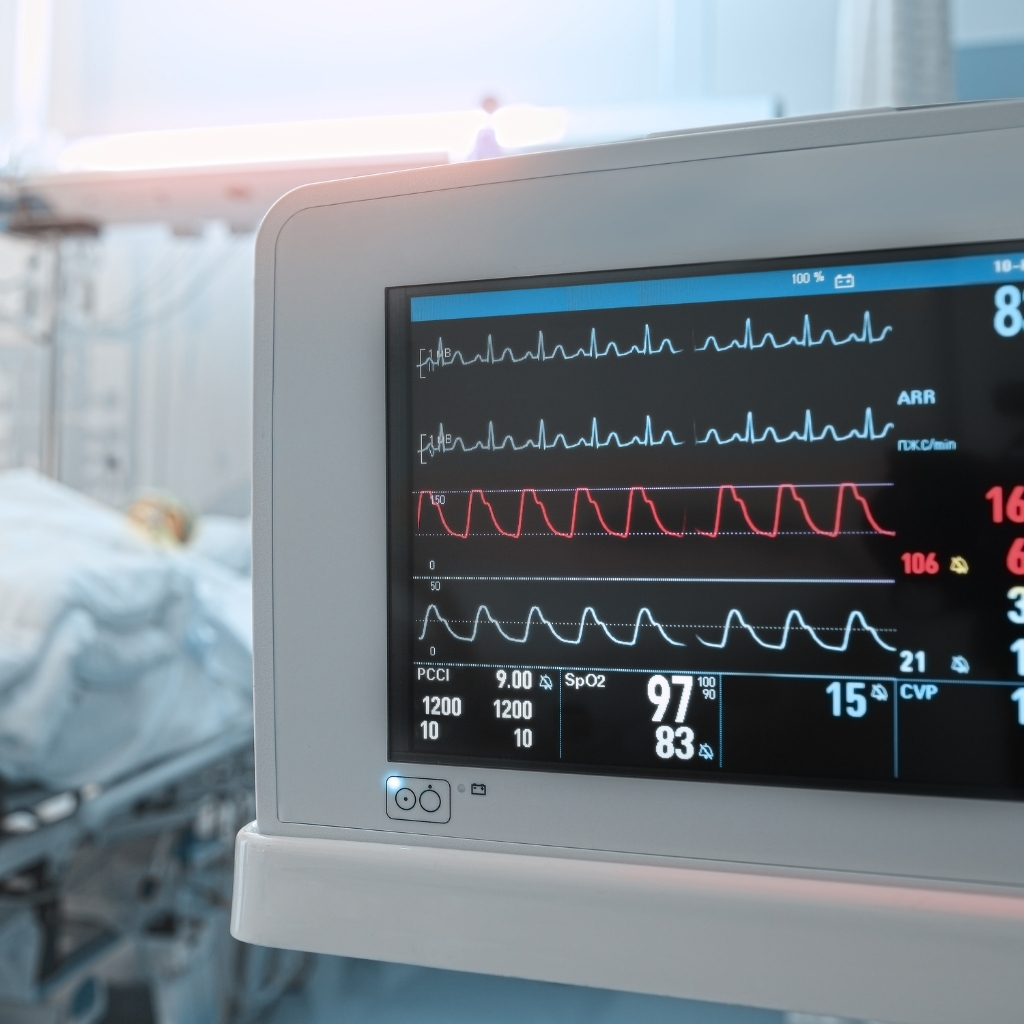

During the test, small electrodes are placed on the chest, arms, and legs. These electrodes detect the tiny electrical changes caused by each heartbeat. The signals are then sent to a monitor or printed as a graph showing the heart’s rhythm, rate, and pattern.
🔹 Benefits of ECG
Early detection of heart-related problems
Non-invasive and quick procedure
Helps guide treatment for heart disease
Safe and suitable for all age groups
An ECG is often the first step in diagnosing heart conditions and plays a vital role in preventive cardiac care. Regular ECG screenings can save lives by detecting problems before symptoms appear.
Raghuraj Hospital is a leading multi-speciality and cardiac care hospital located in Mansarovar, Jaipur. Known for its advanced facilities and compassionate healthcare, the hospital is dedicated to providing high-quality medical services under one roof.
C-26, Vande-Mataram Road, Opp. Iskcon Temple Road, Near Hotel Hyatt Regency, Krishna Sagar Colony, Mansarovar, Jaipur, Rajasthan 302020
© Raghuraj Hospital. All Rights Reserved.
Designed by CH DIGITAL SOLUTION COMPANY