

Heart Monitoring Test (HMT) is a non-invasive diagnostic procedure used to continuously record and monitor heart activity over a specific period, usually 24 hours to several days. It helps detect irregular heart rhythms (arrhythmias), silent ischemia, and other heart abnormalities that might not appear during a standard ECG in the clinic.
The test uses a portable recording device that tracks the heart’s electrical signals while the patient performs their daily routine, providing valuable data about how the heart functions in real-life conditions.
A🔍 Purpose of HMT
The Heart Monitoring Test is performed to:
Detect intermittent or hidden heart rhythm problems.
Investigate symptoms such as palpitations, dizziness, fainting, or chest pain.
Assess the effectiveness of heart medications or pacemaker function.
Monitor heart rate variability during normal activities and sleep.
Evaluate patients after a heart attack or cardiac surgery.

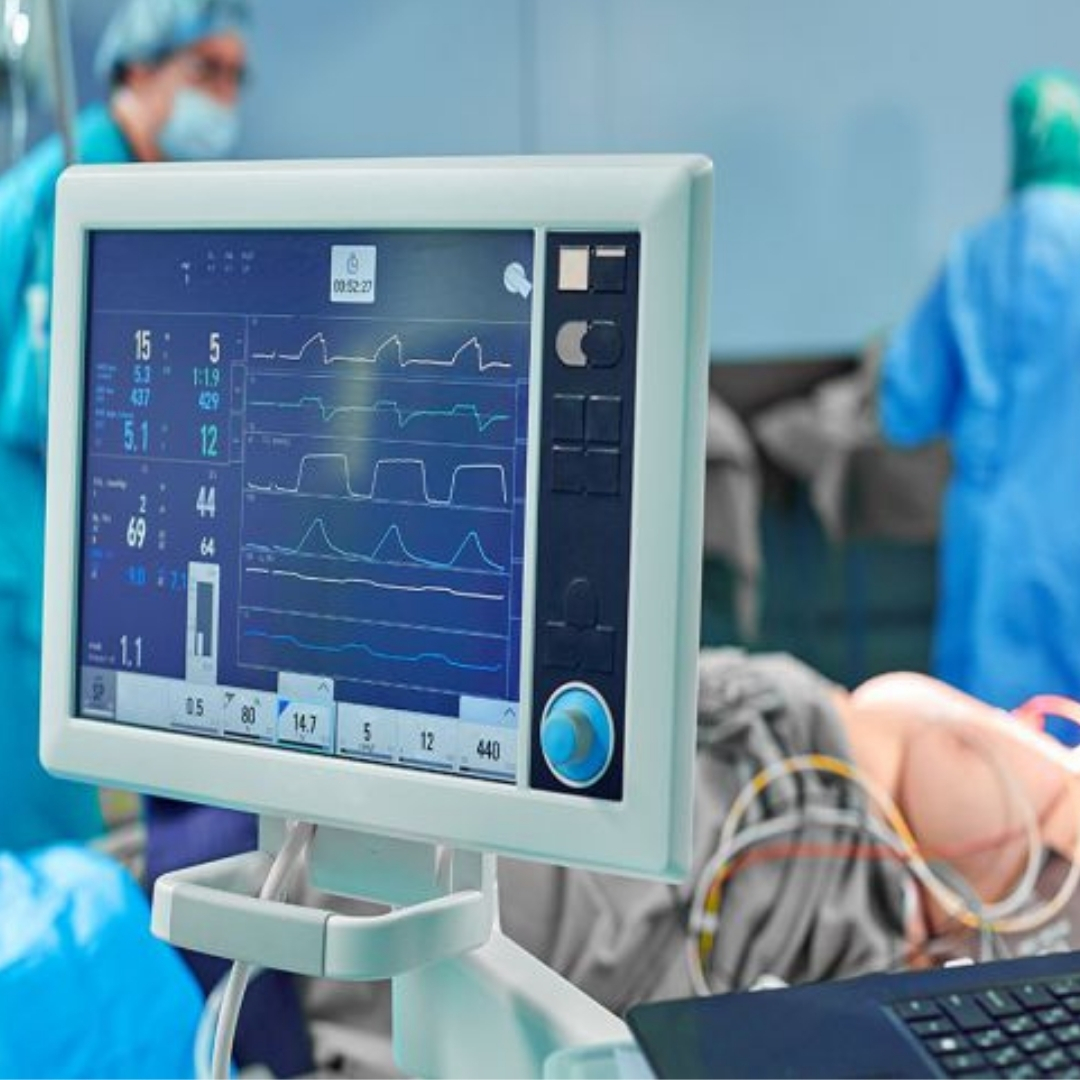
⚙️ How HMT Works
1.Electrode Placement:
Small electrodes are attached to your chest. These are connected by wires to a compact recording device (HMT monitor).
2.Continuous Recording:
The device records your heart’s electrical activity (ECG) continuously for 24 hours or longer.
3.Daily Activity Log:
You’ll be asked to keep a diary of symptoms (like chest pain or dizziness) and note the time they occur.
4.Data Analysis:
After the test period, the device is returned to the clinic, and a cardiologist analyzes the recorded data to detect abnormal heart rhythms or silent cardiac issues.
❤️ Conclusion
The Heart Monitoring Test (HMT) is a reliable and easy way to detect heart rhythm disorders that may not appear during a regular ECG. It plays an essential role in the early diagnosis and management of cardiac arrhythmias, helping doctors ensure your heart stays healthy and strong.
Raghuraj Hospital is a leading multi-speciality and cardiac care hospital located in Mansarovar, Jaipur. Known for its advanced facilities and compassionate healthcare, the hospital is dedicated to providing high-quality medical services under one roof.
C-26, Vande-Mataram Road, Opp. Iskcon Temple Road, Near Hotel Hyatt Regency, Krishna Sagar Colony, Mansarovar, Jaipur, Rajasthan 302020
© Raghuraj Hospital. All Rights Reserved.
Designed by CH DIGITAL SOLUTION COMPANY