

Peripheral Vascular Interventions (PVI) are minimally invasive procedures used to diagnose and treat blockages or narrowing of blood vessels outside the heart and brain — usually in the legs, arms, neck, or kidneys.
These interventions help restore proper blood flow to the affected areas, relieve symptoms such as pain, numbness, or non-healing wounds, and prevent serious complications like tissue damage or amputation.
🔍 What are Peripheral Vascular Diseases?
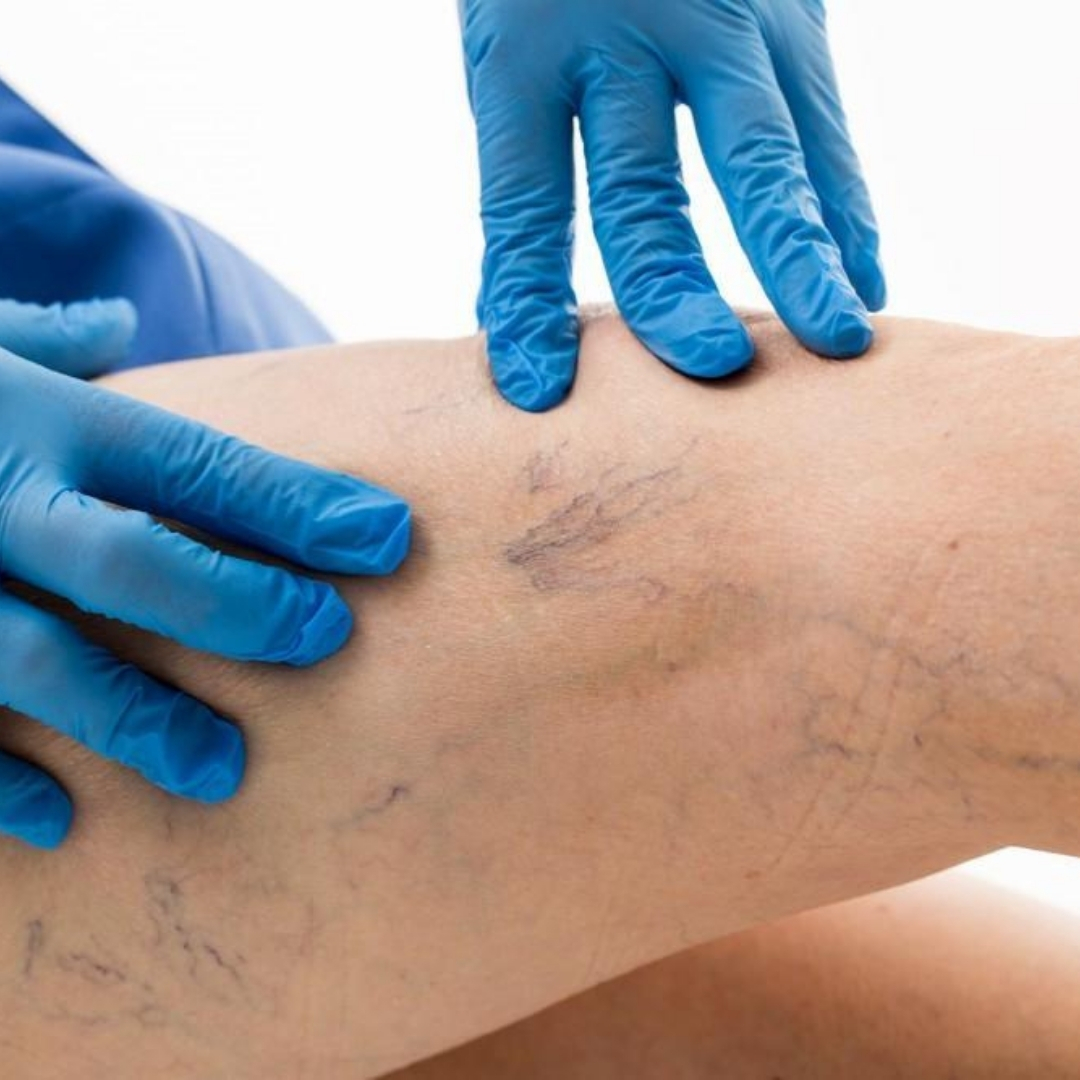
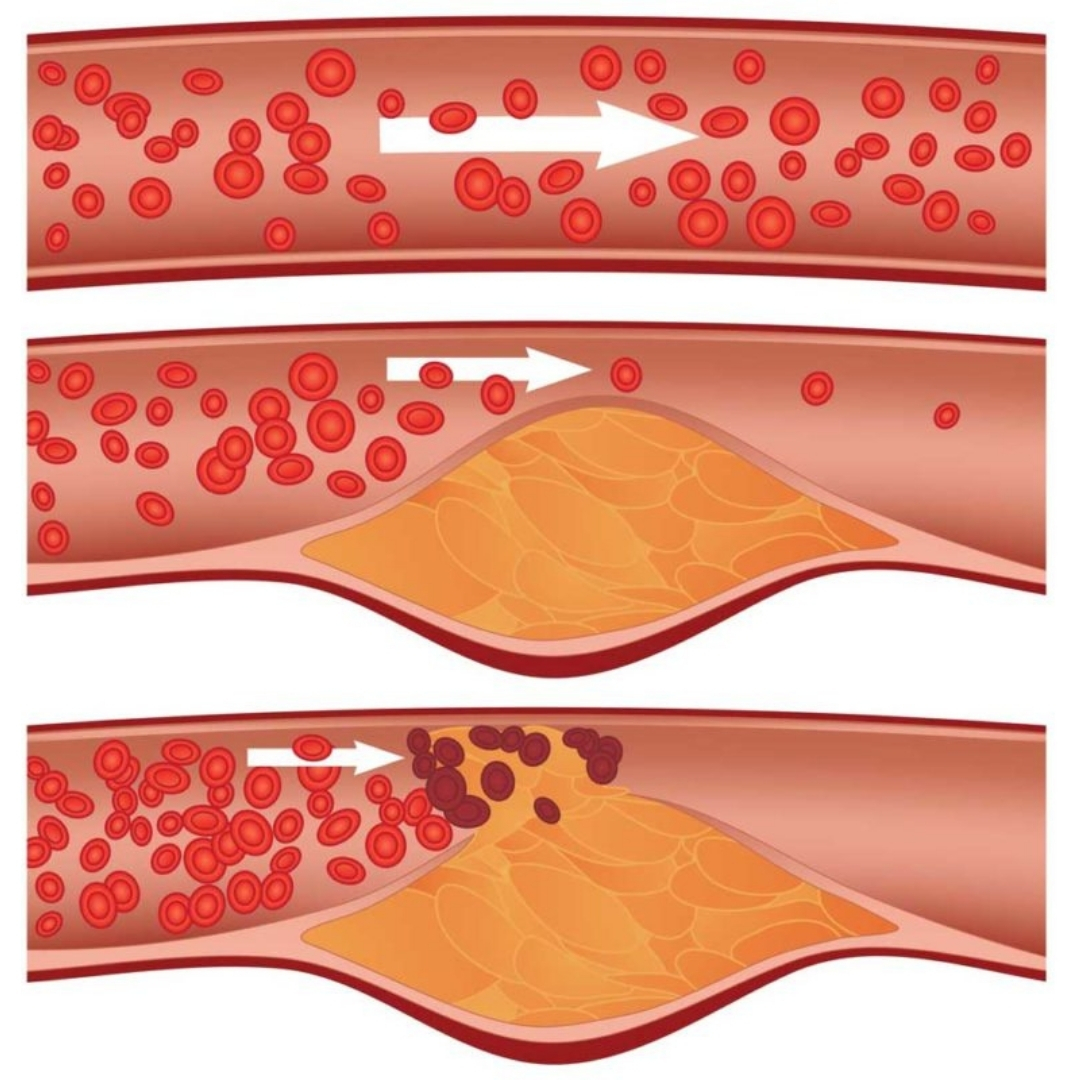
Peripheral Vascular Disease (PVD) or Peripheral Artery Disease (PAD) occurs when plaque (fatty deposits) builds up in the arteries that carry blood to the limbs.
This leads to poor circulation, which can cause:
Leg pain while walking (claudication)
Numbness or weakness in legs
Non-healing ulcers or wounds
Cold or discolored feet
In severe cases, critical limb ischemia
🏥 Procedure Overview
Performed under local anesthesia using image-guided catheter techniques.
A small puncture is made (usually in the groin or wrist).
A catheter and guidewire are advanced through the blood vessels to the blockage site.
The doctor then performs angioplasty, stenting, or another necessary intervention.
The procedure usually takes 1–2 hours and requires only a short hospital stay.
💡 Benefits of Peripheral Vascular Interventions
Minimally invasive — no major surgery or large incisions.
Quick recovery and shorter hospital stay.
Restores blood flow and reduces pain.
Prevents limb loss in severe PVD cases.
Improves walking ability and quality of life.
❤️ Conclusion
Peripheral Vascular Interventions are safe, effective, and life-saving treatments for people with blocked arteries in the limbs or other parts of the body. Early diagnosis and timely treatment can prevent severe complications, improve mobility, and ensure better overall vascular health.
Raghuraj Hospital is a leading multi-speciality and cardiac care hospital located in Mansarovar, Jaipur. Known for its advanced facilities and compassionate healthcare, the hospital is dedicated to providing high-quality medical services under one roof.
C-26, Vande-Mataram Road, Opp. Iskcon Temple Road, Near Hotel Hyatt Regency, Krishna Sagar Colony, Mansarovar, Jaipur, Rajasthan 302020
© Raghuraj Hospital. All Rights Reserved.
Designed by CH DIGITAL SOLUTION COMPANY