

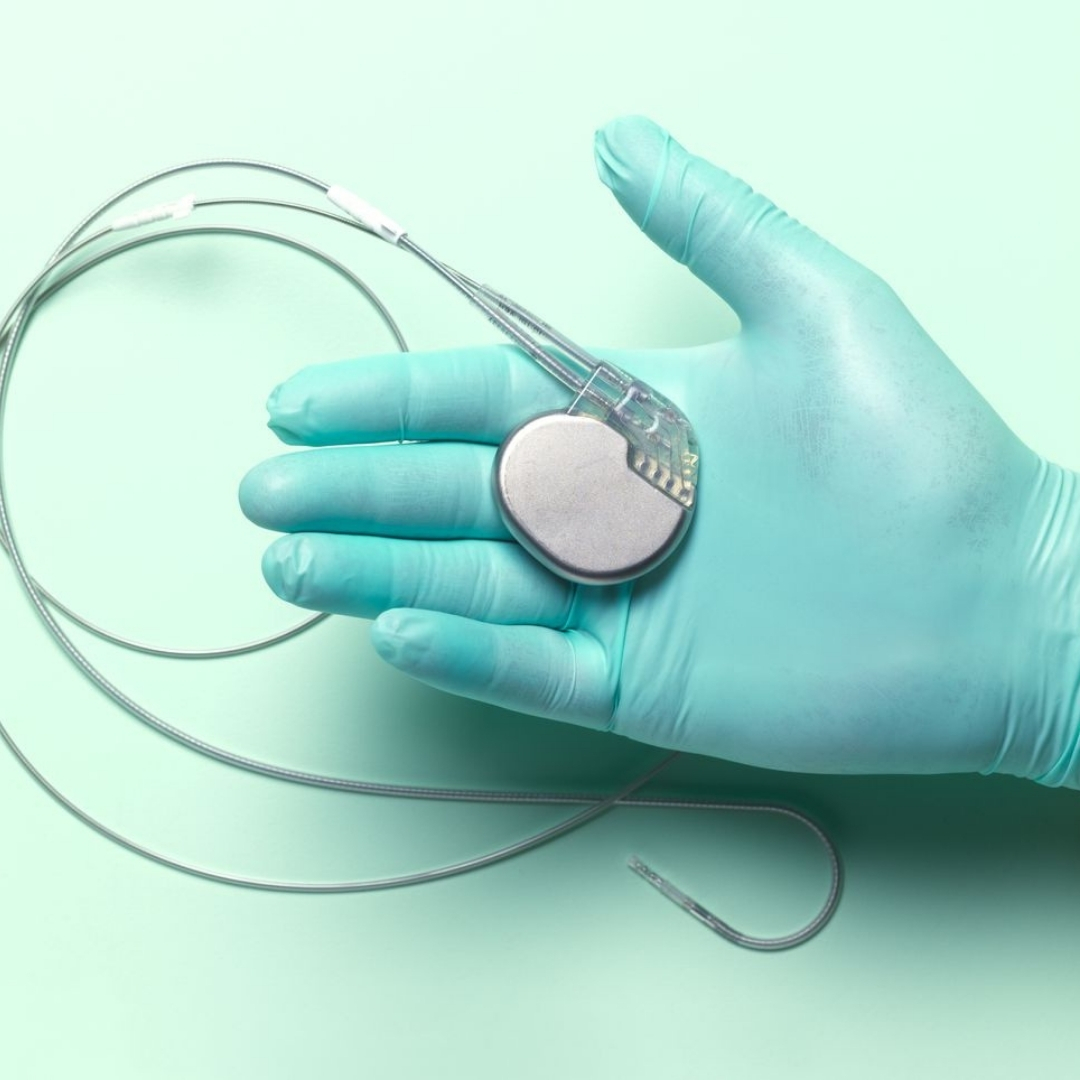
A Pacemaker is a small, battery-powered medical device implanted under the skin to help regulate abnormal heart rhythms (arrhythmias). It ensures that the heart beats at a normal and steady rate, especially when it’s too slow (bradycardia) or irregular.
Pacemaker implantation is a minimally invasive cardiac procedure performed under local anesthesia, designed to improve heart rhythm, relieve symptoms like fatigue or dizziness, and enhance overall heart function.
🔍 Why a Pacemaker is Needed
A pacemaker is recommended for patients who have:
-Slow or irregular heartbeat (bradyarrhythmia)
-Heart block — delayed or interrupted electrical signals in the heart
-Fainting spells (syncope) due to heart rhythm issues
-Heart failure requiring special pacing therapy (biventricular pacing)
-Post-surgical rhythm disturbances after cardiac procedures
.jpg)
💡 Types of Pacemakers
1.Single-Chamber Pacemaker
Controls heartbeat in one chamber, usually the right ventricle.
2.Dual-Chamber Pacemaker:
Coordinates electrical activity between the right atrium and right ventricle for more natural heart function.
3.Biventricular Pacemaker (CRT – Cardiac Resynchronization Therapy):
Used in heart failure patients to improve coordination between both sides of the heart.
4.Leadless Pacemaker:
A tiny device implanted directly inside the heart — no leads or wires needed.
🩺 Conclusion
Pacemaker implantation is a safe and effective solution for managing slow or irregular heart rhythms. It helps the heart beat normally, improves daily functioning, and significantly enhances quality of life. With modern technology, pacemakers are smaller, smarter, and safer than ever before — offering patients a new rhythm for a healthier life.
Raghuraj Hospital is a leading multi-speciality and cardiac care hospital located in Mansarovar, Jaipur. Known for its advanced facilities and compassionate healthcare, the hospital is dedicated to providing high-quality medical services under one roof.
C-26, Vande-Mataram Road, Opp. Iskcon Temple Road, Near Hotel Hyatt Regency, Krishna Sagar Colony, Mansarovar, Jaipur, Rajasthan 302020
© Raghuraj Hospital. All Rights Reserved.
Designed by CH DIGITAL SOLUTION COMPANY