

A fracture refers to a break, crack, or complete separation in a bone, usually caused by trauma, accidents, sports injuries, or conditions that weaken the bones such as osteoporosis. Fractures can range from small hairline cracks to complex breaks that involve displacement of the bone fragments. Prompt diagnosis and proper treatment are essential to ensure complete healing, prevent deformity, and restore normal function.
Fractures are commonly classified into several types, including simple (closed) fractures, where the bone is broken but the skin remains intact, and compound (open) fractures, where the bone pierces through the skin, increasing the risk of infection. Other types include comminuted fractures (bone shattered into multiple pieces), greenstick fractures (incomplete fractures in children), spiral fractures, and stress fractures, which occur due to repetitive strain or overuse.
The symptoms of a fracture usually include severe pain, swelling, bruising, deformity, and inability to move the affected limb. In some cases, patients may hear a snapping sound at the time of injury. Immediate medical attention is crucial to minimize complications and ensure correct bone alignment.
Diagnosis is confirmed through X-rays, and in complex cases, CT scans or MRI may be recommended to evaluate the extent of the injury and damage to surrounding tissues, muscles, or joints.
Treatment depends on the type, location, and severity of the fracture. Minor or stable fractures may be treated with immobilization using casts, splints, or braces. Severe or displaced fractures often require surgical intervention using metal plates, screws, rods, or external fixators to hold the bone fragments together and allow proper healing. These modern orthopedic implants are designed to provide strength and stability during recovery.

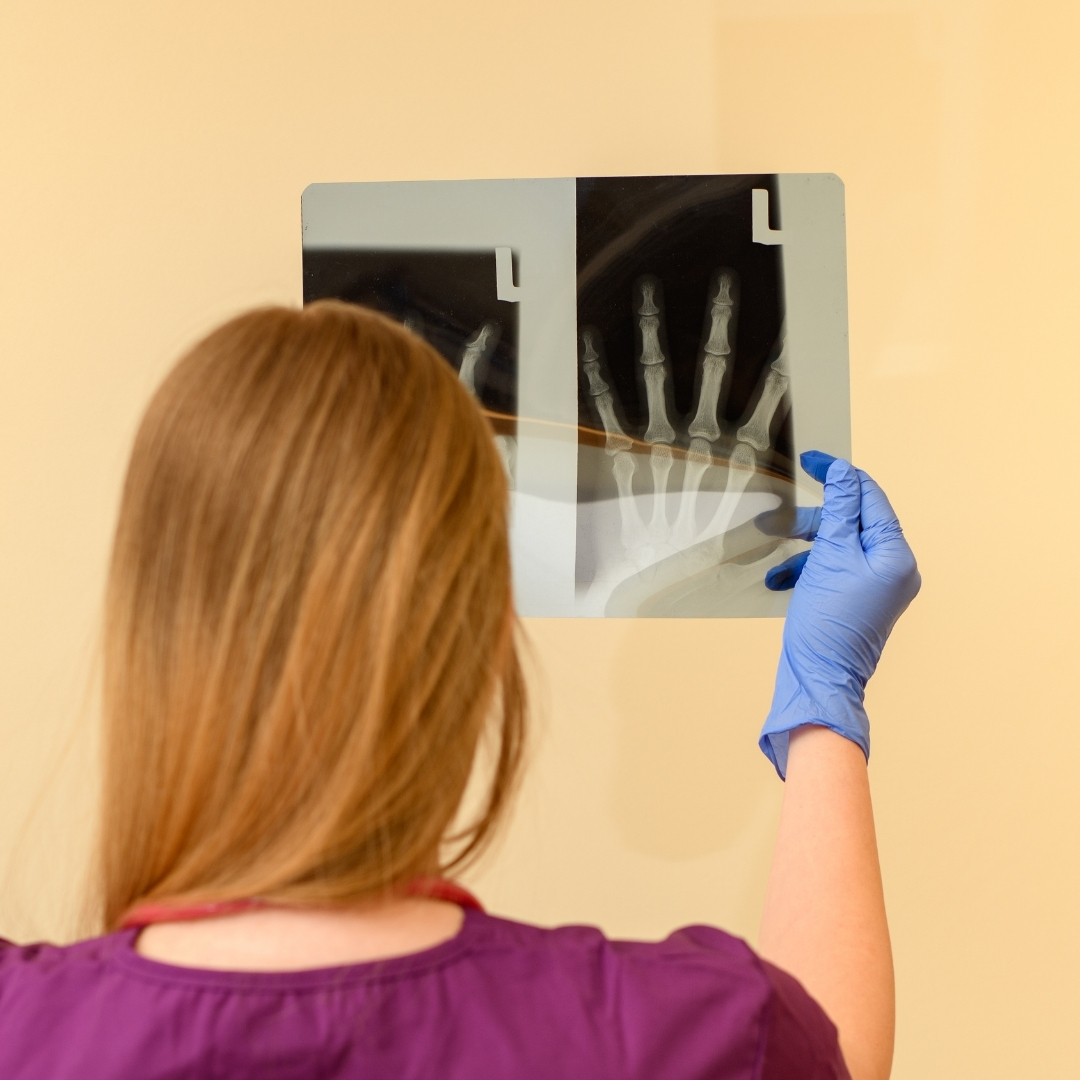
The severity of a fracture depends on the force that caused the break. A mild force might cause a simple crack or hairline fracture, while a strong impact can cause a bone to shatter or break into multiple pieces. Fractures can occur in any part of the body — including the arms, legs, hips, spine, ribs, and skull — and require timely medical evaluation and treatment to ensure proper healing.
Types of Fractures:
Simple (Closed) Fracture: The bone breaks but does not pierce the skin.
Compound (Open) Fracture: The broken bone punctures the skin, creating an open wound and higher risk of infection.
Comminuted Fracture: The bone is broken into three or more fragments.
Greenstick Fracture: An incomplete fracture that typically occurs in children, where one side of the bone bends and the other breaks.
Transverse and Oblique Fractures: Straight or diagonal breaks across the bone.
Spiral Fracture: A twisting injury causes the bone to fracture in a spiral pattern.
Stress Fracture: Tiny cracks caused by repetitive stress or overuse, often seen in athletes.
Raghuraj Hospital is a leading multi-speciality and cardiac care hospital located in Mansarovar, Jaipur. Known for its advanced facilities and compassionate healthcare, the hospital is dedicated to providing high-quality medical services under one roof.
C-26, Vande-Mataram Road, Opp. Iskcon Temple Road, Near Hotel Hyatt Regency, Krishna Sagar Colony, Mansarovar, Jaipur, Rajasthan 302020
© Raghuraj Hospital. All Rights Reserved.
Designed by CH DIGITAL SOLUTION COMPANY